Alerts Without Assumptions: Judging Seizure-Detection Technology in 2026
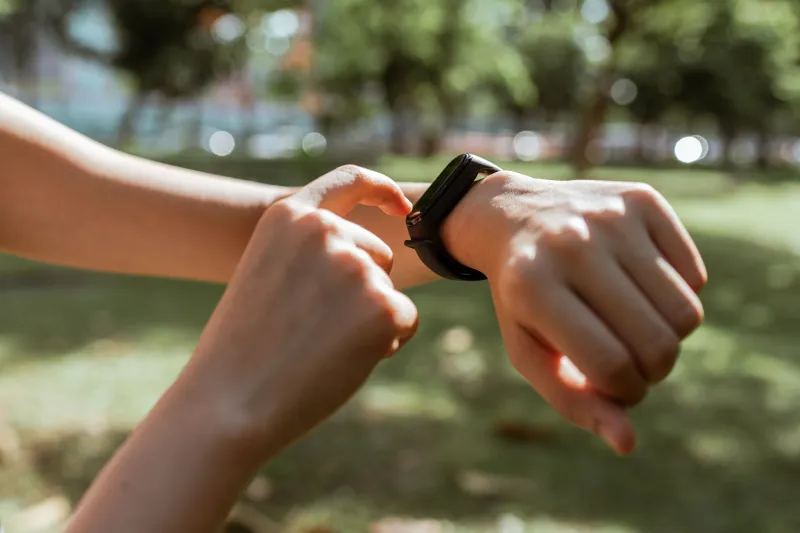
Seizure-alert technology is often presented as a simple answer to an understandable worry: what happens if a seizure occurs when no one is nearby? In 2026, smartwatches, dedicated wearables, bed sensors and smartphone apps are more visible than ever in the UK market. They can be valuable additions to a care plan, but they are not interchangeable, and none should be treated as a substitute for clinical advice or, where needed, human supervision.
A crowded market, not a single solution
The first useful step is to separate the categories. Consumer smartwatches may include fall detection or movement alerts; dedicated medical devices are designed specifically to detect certain seizure patterns; and apps may combine manual logging, timers, prompts and alarm functions. Some products carry UKCA or CE marking as medical devices, while others are marketed as wellness tools. That distinction matters when considering how much weight to place on a detection claim.
Most devices rely on one or more signals: rhythmic movement, changes in heart rate, electrodermal activity, or bed vibration. These signals can correlate with generalised tonic-clonic seizures, which is why many products focus on that seizure type. They are generally less reliable for focal seizures with impaired awareness, absence seizures or seizures that do not produce conspicuous movement. A device that works reasonably well for one person and one seizure pattern may be much less useful for another.
What the evidence can and cannot show
The evidence base remains mixed. Some studies report useful sensitivity and specificity for particular devices in particular settings, often in epilepsy monitoring units or small cohorts. Others show missed events and false alarms. A false alarm is not a trivial inconvenience: repeated false alerts can cause anxiety, disrupt sleep and lead to alarm fatigue, where carers become less responsive over time. A missed seizure is equally important. No current device can guarantee detection, and manufacturers' claims should be read alongside independent research and real-world experience.
For UK users, it is also worth asking how a product has been evaluated. Was the study independent? Did it include the seizure types that matter to the person using it? How was a seizure confirmed? Were carers involved in responding to alerts? These questions are more useful than a single headline accuracy figure.
NHS access and local variation
Most seizure-detection wearables are not routinely provided by the NHS. Access may depend on local commissioning, research studies, private purchase or support from a charity or employer. Some epilepsy teams are aware of local schemes; others are not. It is reasonable to ask your neurologist or epilepsy nurse whether any device has been recommended locally, whether it would be part of a formal care plan, and who would respond to an alert. Do not assume that a device bought privately will be integrated into NHS records or emergency planning.
Battery life, connectivity and privacy
Practical reliability matters as much as detection algorithms. A device that needs daily charging may fail at the wrong moment if charging is not built into a routine. Bluetooth range, mobile signal, Wi-Fi and subscription costs can all affect whether an alert reaches a carer. Ask what happens during a power cut or network outage, and whether there is a backup method of calling for help.
Privacy deserves equal attention. Many devices send data to a cloud service and share alerts with family members or carers. Under UK GDPR and the Data Protection Act 2018, users should be able to understand what is collected, who can see it and how long it is kept. For adults with epilepsy, the right to control personal data does not disappear because a carer is worried. Families may need an open conversation about consent, especially where a device is used by a teenager or an adult who values independence.
Questions to ask before relying on a device
- Which seizure types is the device designed to detect, and which are outside its range?
- What independent evidence exists for people with my seizure pattern?
- What is the false-alarm rate, and how should carers respond?
- Who receives the alert, and what do they do next?
- What happens if the battery runs out or the connection fails?
- Is the product a medical device, and what does its marking cover?
- What data is stored, who can access it, and can it be deleted?
- Is there a trial period, and can the device be used alongside a seizure diary?
A useful tool, not a guarantee
Alerting technology can reduce uncertainty for some families and provide useful information for clinical review. It can also create a false sense of security if its limits are not understood. The calm approach is to treat a device as one part of a wider plan: knowing what to do during a seizure, when to call for help, who to contact and how to review events with the epilepsy team. At EpiNet UK, the guiding principle is straightforward. Ask for evidence, test carefully, and keep the conversation with your clinician open.