After the Lights Go Out: Sleep, Seizure Patterns and a Routine That Holds
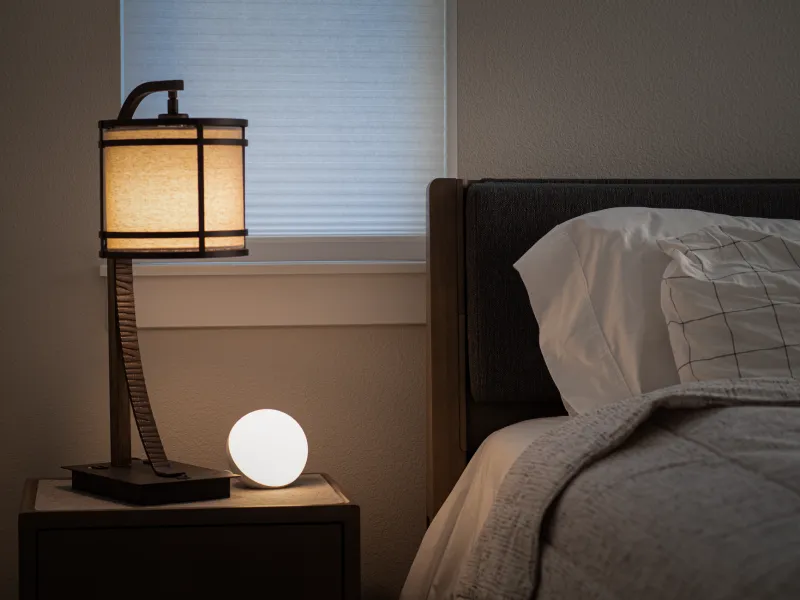
Sleep is often treated as the part of epilepsy care that happens after the clinic appointment has finished. In practice, it belongs inside the appointment. Seizures can disturb sleep, and disturbed sleep can make seizures more likely for some people. The relationship is not a simple equation, and it should not be presented as one. Yet for many people with epilepsy, night-time rest is one of the few modifiable factors that can be reviewed calmly, recorded sensibly and discussed with a clinician.
Why sleep deserves a place in the care plan
During sleep, the brain moves through predictable stages. Seizures can arise during sleep or on waking, and some epilepsy syndromes are particularly associated with sleep-related seizures. Fragmented sleep, short sleep and irregular sleep-wake patterns can lower the seizure threshold in some people. That does not mean a single late night will always cause a seizure, nor that perfect sleep will prevent one. It means sleep is part of the background against which seizure risk is weighed.
The useful question is not 'How many hours must I sleep?' but 'What pattern does my epilepsy seem to follow, and what can I reasonably change?' A person who has been seizure-free for years may need only general sleep hygiene. Someone with frequent night-time events, or with seizures that cluster after poor sleep, may need a more structured conversation with their epilepsy team.
Night-time seizures: what to notice without turning bedtime into surveillance
Nocturnal seizures are not always obvious. Some involve movement, noise or falling out of bed. Others are quieter and may leave only a bitten tongue, a wet bed, a headache, confusion on waking or unexplained bruising. Not every night-time disturbance is a seizure, and not every seizure is dramatic. A bed partner or housemate can sometimes describe patterns that the person themselves cannot recall.
A simple seizure diary remains useful. Record the time of going to bed, approximate sleep, any waking events, and how the following day feels. If night-time events are suspected, note what was observed rather than guessing. Video or audio monitors may help in selected cases, but they should be used with consent and with a clear purpose; constant surveillance can increase anxiety without improving care. If you live alone, a trusted contact and a plan for checking in after a bad night may be more practical.
If night-time seizures are frequent, prolonged, or followed by breathing difficulty or injury, the epilepsy team should review safety and rescue-medication plans. This is also part of wider conversations about risk, including sudden unexpected death in epilepsy. Such conversations are difficult, but they are better held openly with a clinician than left to anxious guesswork.
When sleep deprivation becomes a trigger
Sleep deprivation is a commonly reported seizure trigger, but it is not a uniform one. For some people, a run of short nights is followed by a seizure; for others, stress, alcohol, illness or missed medication may be more important. Sleep debt can accumulate across a week, and the seizure may occur after the catch-up night rather than during the busiest day.
Regularity often matters as much as total duration. A consistent wake time, where life allows it, helps anchor the body clock. So does daylight exposure in the morning and a quieter, dimmer period before bed. These are ordinary measures, not treatments. They work best when combined with reliable medication routines and a clear plan for what to do if a dose is missed.
Shift work and irregular schedules
Shift work is common in the UK, including in the NHS, care settings, hospitality, logistics and emergency services. It can make standard sleep advice feel unrealistic. The aim is not to force a conventional night-time routine onto a rota that does not allow one. It is to reduce the sharpest swings where possible.
Some people find an 'anchor' sleep period helpful, protecting a block of sleep at roughly the same time each day even when shifts vary. Short naps before or after a shift may help alertness, though they are not a substitute for adequate rest. Discussing rota patterns with an employer or occupational health service can be reasonable, especially where seizures have occurred around particular shifts. Any change to the timing of anti-seizure medicines should be agreed with the prescribing team, not made alone to fit a rota.
A bedtime routine that can survive real life
A workable routine is usually unremarkable. Try to keep wake times reasonably steady. Reduce caffeine late in the day. Eat in a way that avoids going to bed very hungry or very full. Keep the bedroom cool, dark and quiet where possible. Build in a wind-down period of twenty to sixty minutes, with less bright light and fewer demanding tasks. Write down tomorrow's concerns so that the mind has somewhere to put them.
Alcohol deserves its own careful conversation, because it can fragment sleep and interact with medicines. Heavy or late drinking is rarely a sleep aid, even if it feels sedating at first. If sleep does not come, getting up for a short, quiet activity and returning when sleepy is often better than lying awake and frustrated.
For persistent insomnia, sleep hygiene alone is not the answer. Cognitive behavioural therapy for insomnia is the recommended first-line treatment for chronic insomnia in UK guidance, and it can be accessed through some GP services or psychological therapy services. Ask for help rather than accepting months of poor sleep as inevitable.
When to ask for a sleep assessment
Consider raising sleep with your GP or epilepsy team if you are excessively sleepy during the day despite enough opportunity to sleep, if you snore heavily or have witnessed pauses in breathing, if you wake with headaches, if insomnia has lasted more than three months, or if night-time events remain unexplained. A sleep assessment may also be useful when seizures occur predominantly at night or on waking, or when the pattern has changed.
Bring a two-to-four week sleep and seizure diary if you can. Ask the epilepsy specialist nurse to help coordinate the question: is this sleep problem separate, is it affecting seizure control, and does the timing of medicines need review? Do not stop or change anti-seizure medicines on the basis of a bad night. The goal is a calmer, better-informed routine, not a perfect one.