Holding Steady Before the Review: A Practical Plan for the Neurology Waiting List

Waiting for a neurology review is rarely a neutral experience. A referral has been made, a letter may have arrived, and then the calendar holds a date that can feel both distant and consequential. For people living with epilepsy, and for carers, the weeks before an appointment are not simply a pause. They are a period in which symptoms may change, prescriptions need managing, and questions accumulate.
The aim of this guide is not to replace clinical advice or to encourage self-diagnosis. It is to help you use the waiting period sensibly: to arrive at the appointment with clear information, to stay safe in the meantime, and to work with the NHS rather than around it.
Understanding what the wait is for
In the UK, referrals to neurology usually pass through a process of triage. A GP or another clinician sends information to the hospital or specialist service, and the referral is reviewed to decide how soon an appointment is needed. A first appointment is different from a follow-up review, and both may be held by a neurologist, an epilepsy nurse specialist or a wider team.
Waiting times vary by region and by clinical priority. A longer wait does not automatically mean that a referral has been overlooked, but it is reasonable to keep your paperwork together: the referral letter, any appointment confirmation, clinic contact details and a note of who to call if your circumstances change. If your symptoms worsen significantly, contact your GP or the hospital department rather than waiting silently for the appointment date.
A short record that does the work
A common temptation is to record everything. A more useful approach is to record what a clinician is likely to need. For each seizure or possible seizure, note the date and time, what happened before it, what was observed during it, how long it lasted, and how you felt afterwards. If someone witnessed the event, their description can be valuable, particularly where awareness or movement was affected.
Keep the record brief. A notebook, a phone note or a simple table is enough. Alongside seizure entries, note any changes to medicines, missed doses, side effects, sleep disruption, illness, alcohol use or, where relevant, menstrual cycle patterns. These details help a clinician see context rather than isolated events.
Before the appointment, condense the record into a one-page summary. Include your current medicines and doses, any allergies, the main changes since the last review, and your top questions. This is not about presenting a perfect case. It is about making the conversation more efficient.
Questions that earn their place
Appointments can feel short. Prioritise two or three questions that matter most. You might ask what type of seizures the clinician thinks these are, what the purpose of a proposed test or medicine change is, what to do if seizure frequency increases, and who to contact between appointments. If relevant, ask about driving, work, pregnancy or caring responsibilities.
It can also help to ask for the plan in plain terms: what happens next, who is responsible for each step, and when a review is expected. If you are offered a new medicine, ask about the intended benefit, common side effects and what to do if you become unwell. Write down the answers or ask a companion to do so. Request a copy of the clinic letter if you do not automatically receive one.
Medicines, prescriptions and practical cover
Before the appointment, check that your repeat prescriptions are in order and that you have enough medicine to cover the period around the review. Do not change doses without advice. If you have a rescue medication plan, make sure you and those close to you understand it. Keep a current medication list in your bag or phone.
The NHS App can be useful for viewing recorded information and repeat prescription details where your GP surgery supports it, but it is not a substitute for the clinic letter. If an appointment is cancelled or moved, follow the instructions on the letter and keep a record of the new date. If you need reasonable adjustments because of disability, communication needs or caring responsibilities, ask the clinic in advance.
Managing uncertainty without turning it into diagnosis
Uncertainty is uncomfortable, and it is understandable to search for answers online. General information from reputable UK sources can help you prepare questions, but it cannot tell you what is happening in your individual case. Avoid changing medicines, stopping treatment or concluding that a symptom must or must not be epilepsy on the basis of a website.
If you are worried about a non-emergency change, contact your GP surgery or the epilepsy service that is looking after you. Keep the focus on observation and communication rather than speculation. The appointment is the place for interpretation.
When to seek urgent help
Do not wait for a routine appointment if urgent help is needed. Call 999 if a seizure lasts longer than five minutes, if seizures happen in quick succession without recovery between them, if breathing is affected, if there is a serious injury, or if the person is in water. For urgent concerns that are not life-threatening, NHS 111 can advise on the next step.
For many people with epilepsy, these situations may never arise. Knowing the thresholds in advance, however, makes it easier to act calmly if they do.
Making the appointment count
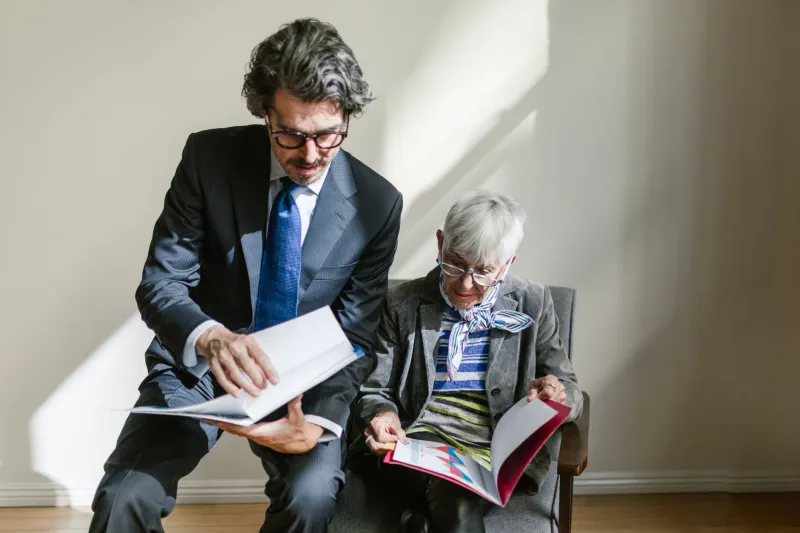
Bring your summary, medicine list and questions. Consider taking someone with you if that would help you remember what is said. At the end, ask for a brief recap of the plan and note any follow-up arrangements. The waiting period is not a test of patience. It is a chance to gather useful information, keep daily life steady and arrive ready for a constructive review.