A Single Seizure, a Structured Pathway: What UK First Seizure Clinics Assess in 2026
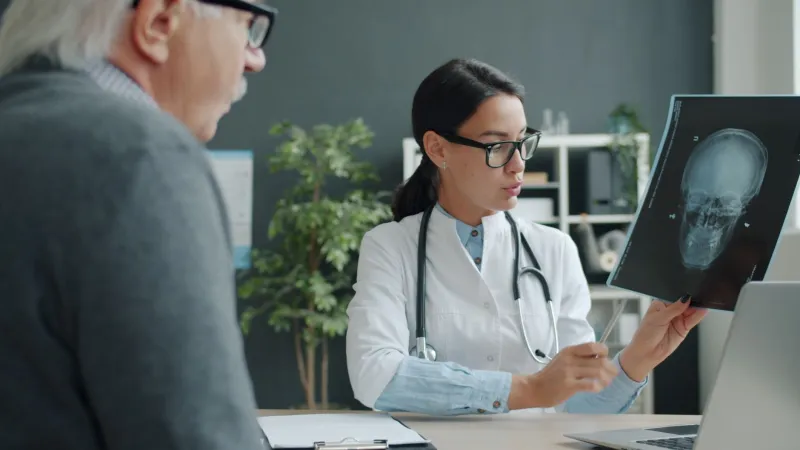
A suspected first seizure is unsettling, but it is not usually an emergency once the event has passed and the person has recovered. In the UK, the next step is often a first seizure clinic or a rapid-access neurology service. The purpose is not to attach a label at the first appointment. It is to gather evidence, rule out mimics, assess risk and agree a safe plan.
This article explains what that pathway can involve in 2026. It is general information, not a substitute for individual clinical advice.
What the clinic is for
A first seizure clinic exists because not every turn is a seizure. Fainting, cardiac rhythm problems, migraine, sleep-related events and functional neurological symptoms can all resemble one. A specialist assessment therefore begins with the history rather than the scanner.
The clinic may be led by a neurologist, an epilepsy nurse specialist or a combined team. The clinician will try to answer several questions. Was the event a seizure? If so, what type was it? Was there a provoking cause, such as infection, low blood sugar, alcohol withdrawal or a head injury? What is the likely risk of another event? Does medication need to start now, or is watchful waiting more appropriate?
Preparing a clear account
The most useful thing you can bring is a careful description of what happened. Write a timeline: what the person was doing beforehand, how the event began, how long it lasted, what was seen during it and how recovery unfolded. Note any confusion, injury, tongue biting, incontinence, unusual movements, staring or loss of awareness. If someone witnessed the event, bring them or their written account. A witness often notices details the person cannot recall.
A short seizure diary is helpful, but it need not become a second job. Record the date, time, duration, what was observed and any possible triggers such as poor sleep, missed meals, alcohol or illness. Bring a medication list, including prescribed medicines, over-the-counter products and supplements. Mention allergies, relevant medical history and any family history of epilepsy or sudden cardiac problems.
It is also reasonable to take someone with you. Two sets of ears are useful, and a companion can help you remember what was said. Prepare a short list of questions rather than a long script. Ask what the clinic will do, what the tests are for and when you should expect results.
What may happen at the appointment
The clinician will take a detailed history and may examine the heart and nervous system. Blood tests and an ECG are common because they can identify causes or mimics that are not epilepsy. An EEG, which records brainwave activity, may be arranged. It is important to know that a normal EEG does not exclude epilepsy, and an abnormal EEG does not always prove it. The test is one piece of evidence, not a verdict.
An MRI may be requested to look for structural causes. It is not needed for every first seizure, and the decision depends on the type of event, the examination and the initial tests. Some clinics use sleep-deprived or ambulatory EEG, but access varies across the UK. Do not expect every test to happen on the same day. The pathway is usually staged, and waiting times differ by region.
Driving and safety
Driving is often the first practical concern. After a first unprovoked seizure, you must not drive and you must tell the DVLA. The rules are specific and depend on the circumstances, including whether the seizure was provoked, the type of licence and whether medication is started. Do not rely on memory or hearsay. Ask the clinician to explain the position, check the DVLA guidance and do not resume driving until you have been told it is safe to do so.
At home, the aim is sensible adjustment rather than unnecessary restriction. Showering rather than taking a bath, avoiding swimming alone, taking care with hot surfaces, heights and machinery, and discussing work or study with the clinical team are common measures. Sleep, regular meals and moderation with alcohol matter, but they are not a substitute for medical assessment. If a seizure lasts longer than usual or recovery is incomplete, emergency help is needed; that is a separate matter from the clinic pathway.
Questions worth asking
A useful appointment leaves you with a written or clearly explained plan. Consider asking:
- Is this thought to have been a seizure, and if so, what type?
- What caused it, and what is the likely risk of another?
- Do I need treatment now, and what are the benefits and risks?
- Which tests are being arranged, and what will they change?
- Who will coordinate follow-up, and how do I contact the epilepsy nurse?
- What should prompt an urgent call or a return to hospital?
- How does this affect driving, work, study or caring responsibilities?
- What safety advice applies to me specifically?
After the clinic
Sometimes the diagnosis remains uncertain. That can be frustrating, but it is not a failure of care. Watchful waiting with a clear review plan is sometimes the most honest option. Keep the diary going, take medicines only as prescribed and share the plan with your GP. If a further event occurs, seek advice promptly. The first seizure clinic is a starting point in a structured pathway, not a final examination.
EpiNet UK publishes plain-language guidance to help people prepare for appointments and coordinate care without panic. A single seizure deserves attention, but it does not require you to organise your whole life around fear before the evidence is in.