The Chair, the Check-Up and the Plan: Dental Care With Epilepsy in 2026
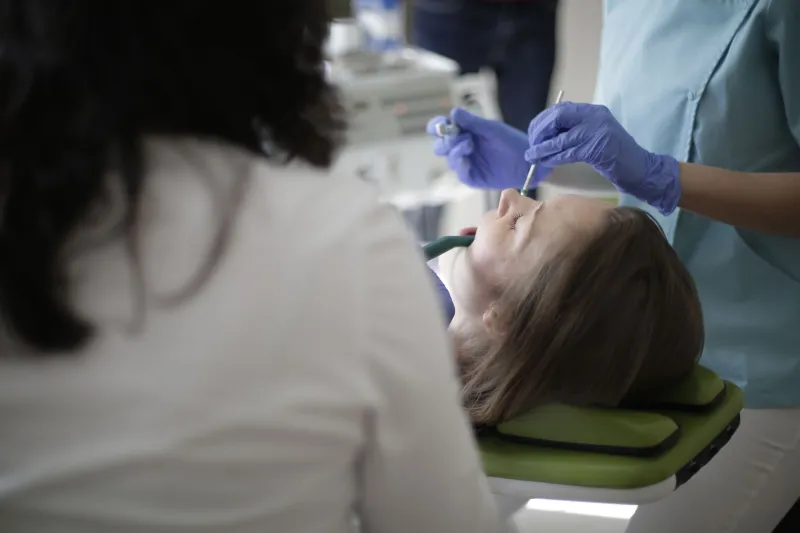
Dental care is easy to postpone. For people living with epilepsy, the reasons can feel especially practical: the worry of a seizure in the chair, the brightness and noise of a surgery, the sensation of lying back, or the simple difficulty of explaining a condition to a team you may see only occasionally. Yet putting off dental appointments rarely makes them easier. A calm, planned approach can make a meaningful difference, both to oral health and to the confidence with which appointments are approached.
Why oral health belongs in the epilepsy conversation
Oral health is part of general wellbeing, not a separate concern. Gum disease and tooth decay can cause pain, affect eating and sleep, and add avoidable strain to daily life. For people who take anti-seizure medicines over many years, there are additional reasons to keep an eye on the mouth. Some medicines can contribute to dry mouth, and certain medicines have historically been associated with gum overgrowth, although this is not a universal effect and risk varies. Liquid formulations may contain sugar, and fatigue or changed routines can affect how consistently teeth are cleaned.
None of this is a reason to alter epilepsy treatment. It is a reason to mention oral health at routine reviews and to let the dental team know which medicines are being taken. If a concern about gums, dryness or dental pain arises, the sensible route is to raise it with both the dental team and the clinician who manages the epilepsy medicines. Decisions about anti-seizure medicines should stay with the prescribing team.
Before booking: a short, useful brief
When telephoning the practice, it helps to say that you have epilepsy and that you would like to discuss adjustments. You do not have to give a full medical history to a receptionist, but a brief note that a longer appointment or a quieter slot would help is reasonable. In Great Britain, the Equality Act 2010 requires dental services to make reasonable adjustments for disabled people; in Northern Ireland, the Disability Discrimination Act 1995 applies. In practice, this can mean extra time, a ground-floor room, a pause in treatment, or a written note on the record.
Think about timing. If seizures are more likely at a particular point in the day, or if missed meals are a trigger, choose an appointment that reduces that risk. Ask whether a companion can sit in the waiting area or accompany you into the surgery. If travel is difficult, consider whether a practice closer to home or a community dental service would be more workable.
What the dental team needs to know
The most useful information is specific but brief. A one-page summary can cover the type or types of seizure you have, what they usually look like, how long they tend to last, any warning you experience, and how long recovery typically takes. Include whether you have rescue medication and how it should be used, and when the dental team should call 999. A written epilepsy care plan, if you have one, can be copied into the dental record with your consent.
Dental staff do not need to become epilepsy specialists. They do need to know that not every seizure involves falling or shaking. Focal seizures, absences and other seizure types can look subtle. They should also know the basics of seizure first aid: stop treatment, protect the person from injury, do not restrain them, do not put anything in the mouth, time the seizure, and allow calm recovery. If a seizure lasts longer than five minutes, is repeated without recovery, or is followed by breathing difficulty or injury, emergency help is needed.
Making the sensory environment predictable
A dental surgery is full of sensations. Bright lights, sharp noises, suction, cold air, tastes and smells can all feel more manageable when they are expected. Ask the dental team to explain what they are about to do before they do it. Agree a simple signal, such as raising a hand, that means you need them to stop. If lying flat feels uncomfortable or raises anxiety, ask whether the chair can stay more upright for part of the appointment.
Some people find dark glasses helpful under bright lighting. Others prefer a short break between examination and treatment. If particular sounds or smells are triggers, say so. These are not unusual requests in a dental setting, and a plan agreed in advance is usually easier than improvising halfway through.
The examination, the medicines and the mouth
A routine check-up is an opportunity to mention bleeding gums, dryness, ulcers, swelling, sensitivity or difficulty eating. Ask the dentist to show you where brushing or cleaning between teeth may need more attention. A hygienist appointment can be useful, and prevention is usually simpler than treatment. Fluoride toothpaste and sensible sugar frequency remain the basics; if dry mouth is a problem, discuss sugar-free options, water intake and alcohol-free products with the dental team.
If gum overgrowth or another medicine-related oral effect is suspected, do not stop or change medicines yourself. Ask for the concern to be recorded and discuss it with the epilepsy team. The dentist may also need to check for interactions before prescribing antibiotics or considering sedation. Most routine dental treatment can be planned safely, but coordination is better than assumption.
NHS access, costs and adjustments
Access to NHS dentistry remains uneven across the UK, and asking about waiting lists or urgent arrangements may take persistence. NHS dental charges and exemption rules are separate from epilepsy itself; epilepsy does not automatically mean free dental care, so check your own eligibility and ask for a written treatment plan and costs before agreeing to private treatment. If additional needs make ordinary practice attendance difficult, ask the practice or local dental commissioner about community dental services or referral options.
If a seizure happens at the dentist
A good practice will have a plan, but it helps if yours is already known. Treatment should stop, instruments should be moved away, and the chair should be lowered if that can be done safely. The team should time the seizure, protect the head, avoid restraint and allow recovery. Afterwards, a quiet space, a check for injury and a decision about whether the appointment should be rescheduled are sensible. A brief debrief can improve the next visit for everyone.
A small plan that makes a difference
Before the next appointment, consider a short checklist: book a quieter time if possible; ask for adjustments in advance; bring a medicines list and seizure plan; agree a stop signal; arrange an escort if useful; and plan a calm journey home. Dental care does not have to be an ordeal to be worthwhile. With clear communication and a predictable plan, the chair can become a steadier place to be.